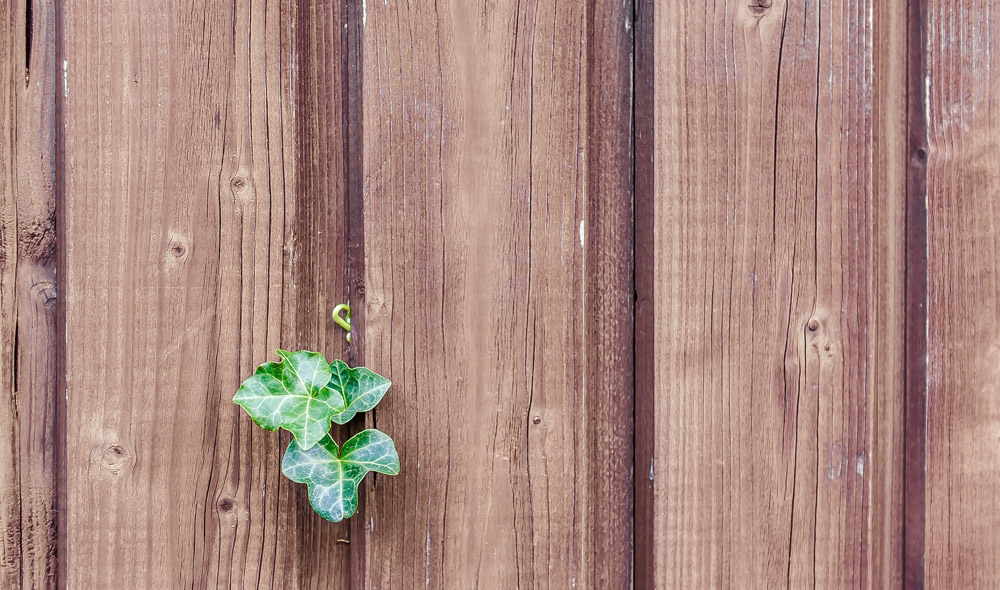
Untreated Wood for Fencing Pros, Cons, and Considerations

When it comes to building a fence, choosing the right type of wood is crucial for its longevity, appearance, and overall performance. While many homeowners opt for treated wood, there may be instances where using untreated wood for a fence is a consideration. In this blog, we will explore the pros, cons, and important considerations of using untreated wood for a fence to help you make an informed decision.

  1. Pros of Using Untreated Wood for a Fence
  • Natural Aesthetic Untreated wood offers a rustic and natural look, which can complement various architectural styles and blend well with the surrounding environment.
  • Cost-Effectiveness Untreated wood is typically less expensive than treated wood, making it a budget-friendly option for fencing projects.
  • Environmental Considerations Untreated wood is free from chemical treatments, making it a more environmentally friendly choice, especially if you prioritize sustainability.
  1. Cons of Using Untreated Wood for a Fence
  • Vulnerability to Rot and Decay Untreated wood is susceptible to rot, decay, and insect damage. Exposure to moisture and the elements can cause the wood to deteriorate more quickly, potentially reducing its lifespan.
  • Maintenance Requirements Untreated wood fences require regular maintenance, including staining, sealing, or painting, to protect them from the elements and prolong their lifespan. This can add to the overall cost and effort involved in maintaining the fence.
  • Limited Lifespan Compared to treated wood, which undergoes chemical treatment processes to resist rot and decay, untreated wood has a shorter lifespan and may require more frequent repairs or replacement.
  1. Considerations for Using Untreated Wood
  • Climate and Environmental Factors The climate and environmental conditions in your area play a significant role in the durability of untreated wood. If you live in a region with high humidity, frequent rainfall, or a high presence of wood-damaging insects, untreated wood may not be the most suitable option.
  • Wood Species Selection Some wood species naturally possess more inherent resistance to rot and insects. Cedar and redwood, for example, are known for their natural resistance to decay and can be more suitable choices for untreated wood fencing.
  • Regular Maintenance If you choose untreated wood for your fence, be prepared to invest time and effort into regular maintenance tasks, such as applying protective coatings, to extend its lifespan and prevent premature deterioration.

While using untreated wood for a fence offers a natural aesthetic and cost-effective option, it comes with inherent drawbacks and considerations. Untreated wood is vulnerable to rot, decay, and insect damage, and requires regular maintenance to prolong its lifespan. The suitability of untreated wood for a fence depends on factors such as climate, wood species selection, and your willingness to invest in ongoing maintenance. It’s essential to carefully evaluate these factors and weigh the pros and cons before making a decision. Consulting with professionals and considering alternative options, such as naturally rot-resistant wood species or treated wood, may also be worthwhile. Ultimately, the choice between treated and untreated wood should align with your specific needs, budget, and long-term goals for your fence project.
Untreated Wood for Fencing Pros, Cons, and Considerations

When it comes to building a fence, choosing the right type of wood is crucial for its longevity, appearance, and overall performance. While many homeowners opt for treated wood, there may be instances where using untreated wood for a fence is a consideration. In this blog, we will explore the pros, cons, and important considerations of using untreated wood for a fence to help you make an informed decision.

  1. Pros of Using Untreated Wood for a Fence
  • Natural Aesthetic Untreated wood offers a rustic and natural look, which can complement various architectural styles and blend well with the surrounding environment.
  • Cost-Effectiveness Untreated wood is typically less expensive than treated wood, making it a budget-friendly option for fencing projects.
  • Environmental Considerations Untreated wood is free from chemical treatments, making it a more environmentally friendly choice, especially if you prioritize sustainability.
  1. Cons of Using Untreated Wood for a Fence
  • Vulnerability to Rot and Decay Untreated wood is susceptible to rot, decay, and insect damage. Exposure to moisture and the elements can cause the wood to deteriorate more quickly, potentially reducing its lifespan.
  • Maintenance Requirements Untreated wood fences require regular maintenance, including staining, sealing, or painting, to protect them from the elements and prolong their lifespan. This can add to the overall cost and effort involved in maintaining the fence.
  • Limited Lifespan Compared to treated wood, which undergoes chemical treatment processes to resist rot and decay, untreated wood has a shorter lifespan and may require more frequent repairs or replacement.
  1. Considerations for Using Untreated Wood
  • Climate and Environmental Factors The climate and environmental conditions in your area play a significant role in the durability of untreated wood. If you live in a region with high humidity, frequent rainfall, or a high presence of wood-damaging insects, untreated wood may not be the most suitable option.
  • Wood Species Selection Some wood species naturally possess more inherent resistance to rot and insects. Cedar and redwood, for example, are known for their natural resistance to decay and can be more suitable choices for untreated wood fencing.
  • Regular Maintenance If you choose untreated wood for your fence, be prepared to invest time and effort into regular maintenance tasks, such as applying protective coatings, to extend its lifespan and prevent premature deterioration.

While using untreated wood for a fence offers a natural aesthetic and cost-effective option, it comes with inherent drawbacks and considerations. Untreated wood is vulnerable to rot, decay, and insect damage, and requires regular maintenance to prolong its lifespan. The suitability of untreated wood for a fence depends on factors such as climate, wood species selection, and your willingness to invest in ongoing maintenance. It’s essential to carefully evaluate these factors and weigh the pros and cons before making a decision. Consulting with professionals and considering alternative options, such as naturally rot-resistant wood species or treated wood, may also be worthwhile. Ultimately, the choice between treated and untreated wood should align with your specific needs, budget, and long-term goals for your fence project.

gf.primary

About gf.primary

Recent blog posts

Problems You May Face With Iron Fence Installation And How To Avoid Them

Iron fences are a popular choice for many homeowners due to their elegance and durability. They can provide a striking boundary for any property while offering security and privacy. These…

Read more
Aluminum Fence

Why You Should Consider An Aluminum Fence For Your Houston Property

When considering fencing options for your Houston property, aluminum fences may not be the first to come to mind, but they offer a range of benefits that shouldn't be overlooked.…

Read more
Gate

The Basics Of Gate Opener Systems And Their Benefits

Gate openers have become a common fixture in many homes and businesses. They add convenience and enhance security, making them a smart choice for property owners. Whether you're arriving home…

Read more